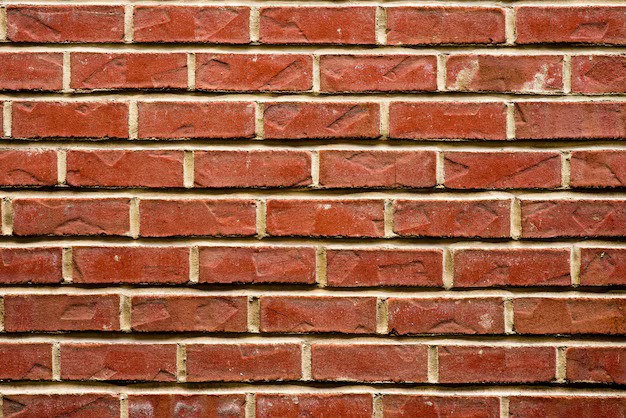
How to Make Your Home Look Elegant with Red Bricks

Introduction:
Red bricks are a timeless building material, offering not only durability but also an aesthetic appeal that has been valued for centuries. Whether you’re building from scratch or renovating, red bricks can add a touch of elegance to any home. In this post, we explore how you can use red bricks in creative ways to enhance the look and feel of your home.

Body:

  • Why Choose Red Bricks?

    • Durability: Red bricks are known for their long-lasting nature. Buildings made from red bricks can last for decades, if not centuries, with proper maintenance.
    • Classic Aesthetic: The rich red hue of these bricks brings a classic charm to homes, whether used for the entire exterior or as a decorative feature.
    • Eco-Friendliness: Red bricks are made from natural clay, making them an environmentally friendly option for construction.
  • Different Brick Sizes and Applications:

    • W400mm x L250mm x H100mm (₦1500 per piece): Perfect for building smaller walls, garden partitions, and decorative exteriors.
    • W400mm x L250mm x H165mm (₦1800 per piece): Ideal for larger, more structural walls that need extra strength.
    • W400mm x L250mm x H200mm (₦1900 per piece): Best for load-bearing walls and projects that require maximum strength and durability.
  • Design Ideas:

    • Facade Accents: Use red bricks to create feature walls or accent pieces in your home’s exterior to add texture and depth.
    • Indoor Applications: Red bricks can be used indoors as well, particularly for fireplaces, accent walls, and kitchen backsplashes.
    • Pathways and Fences: Red bricks are perfect for creating charming garden pathways or sturdy, long-lasting fences.
  • Maintenance Tips:

    • Sealing and Cleaning: Regularly clean red bricks to maintain their appearance and seal them every few years to protect against weather damage.
    • Crack Repairs: Address any minor cracks immediately to prevent them from spreading, which could compromise the brick’s structural integrity.

Conclusion:
Red bricks are not just a building material—they’re a design element that can elevate the look of your home. With the right application, you can enjoy a structure that’s both beautiful and durable.

Understanding the Importance of Iron Rods in Building Construction

Introduction:
Iron rods, also known as rebar, are a critical component in reinforced concrete construction. They provide tensile strength that concrete lacks, making structures more resilient to bending, cracking, and other forms of stress. In this blog post, we’ll break down why iron rods are essential and how to choose the right ones for your construction project.

Body:

  • What Are Iron Rods?
    Iron rods are steel bars used in reinforced concrete to increase its tensile strength. While concrete is strong in compression, it’s weak in tension. Iron rods, when embedded in concrete, help absorb the tension, making the structure more stable and robust.

  • Different Types of Iron Rods:

    • Real TMT Iron Rods: Known for their high tensile strength and durability, Real TMT rods are often used in high-rise buildings and other large projects that require extra reinforcement.
    • Tiger TMT Rods: These rods offer excellent bonding with concrete, ensuring that the structure remains stable even under heavy loads or during natural disasters like earthquakes.
    • HITECH Re-enforcement: Ideal for both commercial and residential constructions, HITECH rods are versatile and known for their corrosion resistance and long-lasting strength.
  • Why Re-enforcement Is Important: Reinforcement makes the concrete more resilient by preventing it from cracking under pressure. Whether it’s a bridge, a home, or a commercial structure, iron rods help extend the life and safety of the building. Without rebar, structures could collapse or fail under weight or stress.

  • Choosing the Right Iron Rod:

    • Project Type: For large-scale projects like bridges or high-rise buildings, choose thicker rods (12mm-25mm) that can withstand more stress. Smaller structures like homes can use thinner rods.
    • Quality Check: Always ensure that the iron rods are free from rust, as corrosion can weaken the structural integrity over time.

Conclusion:
Iron rods are indispensable in modern construction. Choosing the right type of rebar ensures the safety and durability of your project. Don’t compromise on quality when it comes to the backbone of your building’s structure.

Choosing the Right Cement for Your Construction Project

Introduction:
Cement is the foundation of any construction project. Whether it’s a small home renovation or a massive infrastructure build, choosing the right cement can make a significant difference in the durability and longevity of your project. With several cement brands and types available in Nigeria, making the right choice can be overwhelming. In this post, we will guide you through the process of selecting the best cement for your project.

Body:

  • Types of Cement Available in Nigeria:
    • Dangote Cement: Known for its high strength and reliability, Dangote is ideal for large-scale construction like bridges, roads, and high-rise buildings. It is also widely used in residential construction for its superior durability.
    • Lafarge Cement: Another popular choice in Nigeria, Lafarge offers a range of products suited for different construction needs, including general-purpose cement, fast-setting cement for quicker projects, and more specialized solutions.
    • BUA Cement: BUA is well-regarded for its consistency and strength. It’s a versatile option, suitable for both commercial and residential construction.
  • Factors to Consider When Choosing Cement:
    • Strength: Depending on the structural requirements of your project, you may need a stronger or lighter mix. For structural pillars and load-bearing walls, opt for a cement with higher compressive strength.
    • Setting Time: Some projects require quicker-setting cement to speed up the building process, especially in high-traffic areas where construction time needs to be minimized.
    • Weather Resistance: If you’re building in an area exposed to moisture, heat, or varying weather conditions, you’ll need cement with good resistance to these elements to prevent cracks and structural weaknesses.
  • Cement Application Tips:
    • Mix Ratios: The right ratio of cement, sand, and gravel ensures that your structure is both durable and stable. A common mix for general construction is 1 part cement to 2 parts sand and 4 parts gravel.
    • Curing: Ensure that your cement cures properly by keeping it moist for at least 7 days. This helps it achieve maximum strength and prevents cracking.

Conclusion:
Choosing the right cement for your project guarantees a solid foundation and long-lasting construction. Whether it’s a residential project or a large-scale build, understanding your needs will help you select the perfect type of cement for the job.

Back to Top
Product has been added to your cart